The Ultimate Guide to Case Battles: Mechanics, Strategies, and the Thrill of the Arena
The digital home entertainment landscape is continuously developing, mixing gaming mechanics with aspects of opportunity. Among the most popular patterns to emerge in recent years is the phenomenon of Case Battles. Whether related to computer game cosmetics, digital trading cards, or specialized hobbyist platforms, case battles have changed a singular pastime into a social, high-stakes spectator sport.
For those wanting to comprehend what case battles are, how they work, and what strategies participants utilize, this extensive guide explores the mechanics, psychology, and ecosystem surrounding the supreme unboxing arena.
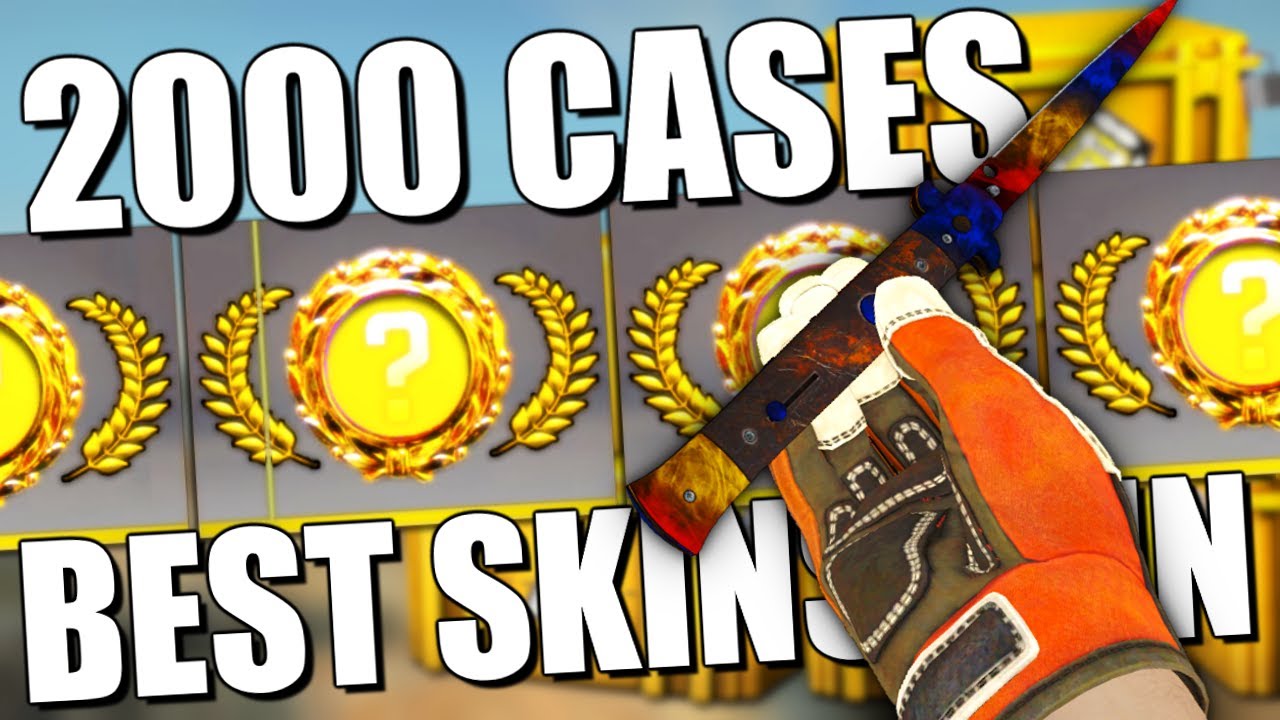
What is a Case Battle?
At its core, a case fight is a multiplayer variation of traditional digital secret box unboxing. In a standard unboxing circumstance, a private purchases a virtual case, opens it, and gets a random item based on predefined drop rates.
A case battle takes this principle and introduces competition:
- Multiple Players: Typically varying from 2 to 4 participants (often playing in 2v2 teams). Shared Expenses: All individuals open the precise same set of cases, making sure a level playing field. The Winner Takes All: At the end of the round, the gamer whose opened products have the highest combined monetary or virtual worth wins the entire contents of everybody's opened cases.
This competitive twist injects a sense of community, competition, and method into an activity that was when simply specific.
How Do Case Battles Work?
While platforms differ in their particular interfaces, the fundamental workflow of a case battle follows a structured process. Understanding these mechanics is necessary for anyone going into the arena.
Step-by-Step Breakdown of a Round
Lobby Creation or Joining: A gamer establishes a fight by choosing the particular cases to be opened, the variety of rounds (cases per battle), and the gamer limit. Alternatively, they can sign up with an existing public lobby. Buy-In: Each participant contributes an entry fee equivalent to the total cost of the cases chosen for the battle. Simultaneous Unboxing: Once the lobby is full and locked, the opening series begins. The platform's random number generator (RNG) figures out the items for all gamers at the same time. The Reveal: Items roll throughout the screen in real-time, building suspense. Participants watch as high-tier items or low-tier filler items land in their respective stocks. Settlement: At the final case, the overall worth of each player's drops is tallied. The gamer with the greatest overall worth is declared the winner and receives all items dropped during the match.Contrast of Battle Modes
Platforms typically provide several variations of the timeless mode to keep the gameplay fresh.
Fight Mode Gamer Count Mechanics Threat Level Requirement (1v1) 2 Players Head-to-head fight; greatest total value takes all. Moderate Free-For-All (FFA) 3-- 4 Players Every gamer for themselves; last location loses whatever, winner takes all. High Group Battle (2v2) 4 Players Combined group worths are compared; winning group divides the loot. Balanced Terminal/ Sudden Death 2+ Players The player with the lowest-value item each round is removed early. ExtremeThe Psychology and Appeal of Case Battles
Why have case battles captured the attention of millions worldwide? The appeal lies in a distinct blend of economics, psychology, and home entertainment.
1. The Social Element
Standard unboxing is a singular activity-- typically done behind a screen in isolation. Case battles introduce chat rooms, live viewer watching, and friendly rivalries. Gamers can share the highs of landing a rare item and commiserate over a string of low-value drops.
2. Streamer Culture and Entertainment Value
Case battles are tailor-made for streaming platforms like Twitch and YouTube. Material developers use high-stakes battles to create amazing responses, engage their communities, and create viral moments. Watching somebody threat numerous dollars in a single click supplies passive home entertainment for audiences.
3. Transformed Risk Perception
Statistically, your home edge in randomized digital drops constantly favors the platform over the long term. Nevertheless, case battles introduce a relative competition. Players frequently feel that even if they lose money on the outright worth of the cases, they have a 50% (or greater) chance of beating their challenger and turning a revenue relative to the table.
Strategies for Case Battles
While case battles are basically video games of opportunity dictated by RNG, individuals often use particular bankroll management and tactical methods to optimize their experience and minimize losses.
- Set a Strict Budget: Decide on a repaired entertainment budget before getting in any battles and stick to it strictly. Never chase after losses by increasing buy-ins impulsively. Examine Case Volatility:
- High-Volatility Cases: Contain a couple of very pricey products and many low-value items. Good for high-risk, high-reward plays. Low-Volatility Cases: Offer more constant, mid-tier drops with smaller spaces in between the very best and worst outcomes.
Common Risks and Responsible Participation
It is important to approach case battles with a clear understanding of the dangers included. Because these mechanics carefully mirror betting, individuals must keep several crucial principles in mind:
- No Guaranteed Returns: The huge majority of individuals will lose money with time due to the mathematical design of random drops. Age Restrictions and Legality: Depending on the jurisdiction and the specific possessions involved (such as computer game skins versus fiat currency), regulations vary extremely. Constantly guarantee you are of legal age and using platforms certified with local laws. Acknowledging Problem Behaviors: If unboxing or battling stops being fun and begins feeling like a monetary need or an emotional compulsion, it is time to step away and use platform self-exclusion tools.
Case battles have completely altered how communities interact with digital loot and randomized drops. By transforming singular unboxings into dynamic, multiplayer competitors, they use an engaging kind of digital entertainment that combines suspense, neighborhood, and friendly competition.
Whether you are a viewer taking pleasure https://cs2skin.com/case-battle in the turmoil of a high-stakes banner lobby or an individual screening your luck in a friendly 1v1 match, approaching case battles with a frame of mind focused on entertainment instead of financial gain makes sure a safe and exhilarating experience.